Bank fees are small one at a time, which is exactly why they’re easy to ignore and why they add up. Even after a steep decline, banks with more than $1 billion in assets reported over $5.8 billion in overdraft and non-sufficient funds (NSF) fees in 2023, according to the Consumer Financial Protection Bureau.Source 1 Most fees can be avoided once you know what triggers each one and which federal rules are on your side.
This guide covers nine common fees and how to avoid them, your rights under federal law, a year of fees added up, and what the much-searched “$3,000 bank rule” really is.
Nine bank fees and how to avoid each one
1. Monthly maintenance fees
Many checking accounts charge a monthly service fee unless you meet certain conditions. The usual ways to get it waived are keeping a minimum balance or signing up for direct deposit. If neither fits, ask about basic, student or senior accounts, which often have low minimum balance requirements, or move to an account with no monthly fee.Source 2
2. Minimum balance fees
Some accounts charge a fee when your balance falls below a set amount. The account disclosures must state any minimum balance you need to avoid a fee and how that balance is worked out,Source 3 so check whether it’s a daily minimum or a monthly average. A low-balance alert can warn you before you slip under it.Source 2
3. Overdraft fees
An overdraft happens when your bank pays a transaction you don’t have the money for, then charges you for it. Many banks and credit unions charge $30 or more per overdraft, and one bad day can bring several of them.Source 4
- Don’t opt in for debit card and ATM transactions. A bank can’t charge an overdraft fee on an ATM withdrawal or a one-time debit card purchase unless you’ve opted in to its overdraft service.Source 5 Without that coverage, those transactions are generally declined instead, and you can change your decision at any time.Source 4
- Watch checks and automatic payments. The opt-in rule doesn’t cover them, so they can still overdraw your account and bring a fee.Source 2 That includes buy now, pay later installments, which usually come out automatically.
- Link a savings account. This kind of overdraft protection moves money over automatically when you’re short. You may pay a transfer fee, but it’s usually much lower than an overdraft fee.Source 2
- Set up alerts for a low balance and for scheduled payments your balance can’t cover.Source 2
4. Non-sufficient funds (NSF) fees
When your bank refuses to pay a check or automatic payment because the money isn’t there, it may charge an NSF fee, and the company you were paying may charge a returned payment fee of its own.Source 2 NSF fees have become much less common: in 2023, the CFPB reported that the vast majority of them had been eliminated.Source 1 Either way, your statement must show your total returned-item fees and total overdraft fees, for the statement period and for the year to date.Source 6
5. Out-of-network ATM fees
Using another bank’s ATM can cost you twice: the machine’s owner may charge a fee, and your own bank may add one. The ATM’s operator must tell you its fee, on the screen or on paper, before you’re committed, and can charge it only if you choose to continue.Source 7 There’s usually no charge at ATMs in your bank’s network, so find them in your bank’s app. If you have to use an out-of-network machine, take out what you need for the week in one trip.Source 2
6. Excess withdrawal fees on savings
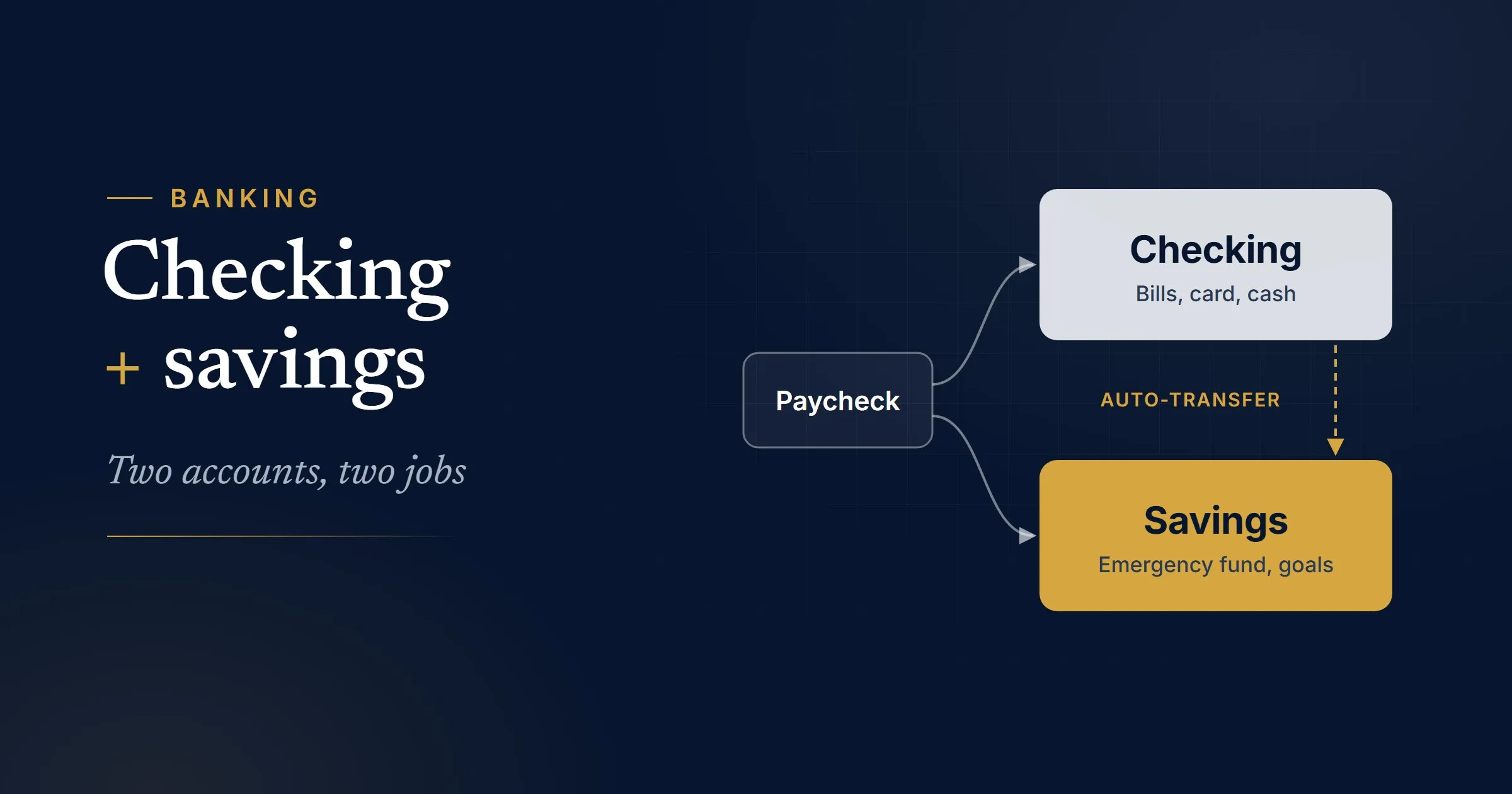
Federal rules once limited certain savings withdrawals to six a month. That limit was removed in 2020, but the change doesn’t require banks to drop their own limits, and it neither requires nor prohibits fees for going over.Source 8 Check your account agreement, and keep money you move often in checking. Our checking vs. savings guide explains how the two work together.
7. Paper statement fees
Some banks charge to mail paper statements, and switching to electronic statements can avoid the fee. Either way, review every statement, paper or electronic, to make sure it’s correct and you aren’t paying extra fees.Source 2
8. Wire, stop-payment and other service fees
One-off services such as wire transfers, stop-payment orders, cashier’s checks and replacement cards often carry a fee. They’re listed in your account’s fee schedule, which the bank must give you before you open the account and whenever you ask for it.Source 3 Check the price before you request a service, and ask whether a cheaper option, such as a standard electronic transfer, will do the job.
9. Inactivity and foreign transaction fees
An account you rarely use may start charging an inactivity fee, so close accounts you no longer need or use them now and then. Paying with your debit card abroad, or buying from a merchant based overseas, can bring a foreign transaction fee. Both appear in the account’s fee schedule,Source 3 so check before you travel.
Your rights: the federal rules on bank fees
You can’t negotiate the law, but you can use it:
- Fees in writing, up front. Before you open an account, the bank must give you its account disclosures, including the amount of every fee and when it applies, and it must provide them again on request.Source 3
- Notice before a fee goes up. The bank must notify you at least 30 days before a change that could adversely affect you, such as a new or higher fee. Changes to check printing fees are an exception.Source 9
- Fee totals on your statement. Each statement must show your total overdraft fees and total returned-item fees for the period and the year to date.Source 6
- Your choice on debit and ATM overdrafts. No overdraft fee on those transactions unless you’ve opted in.Source 5
- No surprise ATM fees. The machine’s operator must show its fee before you’re committed.Source 7
- Quick access to part of a check deposit. Banks must generally make up to $275 of a day’s check deposits available by the next business day, with some exceptions.Source 10 Ask when the rest will be available before you spend it.Source 2
In December 2024, the CFPB finalized a rule that would have required very large banks and credit unions to follow the protections that apply to other credit for overdrafts, unless the fee was a small amount covering only their costs and losses.Source 11 In May 2025, Congress disapproved the rule, so it has no force or effect.Source 12
A year of fees, added up
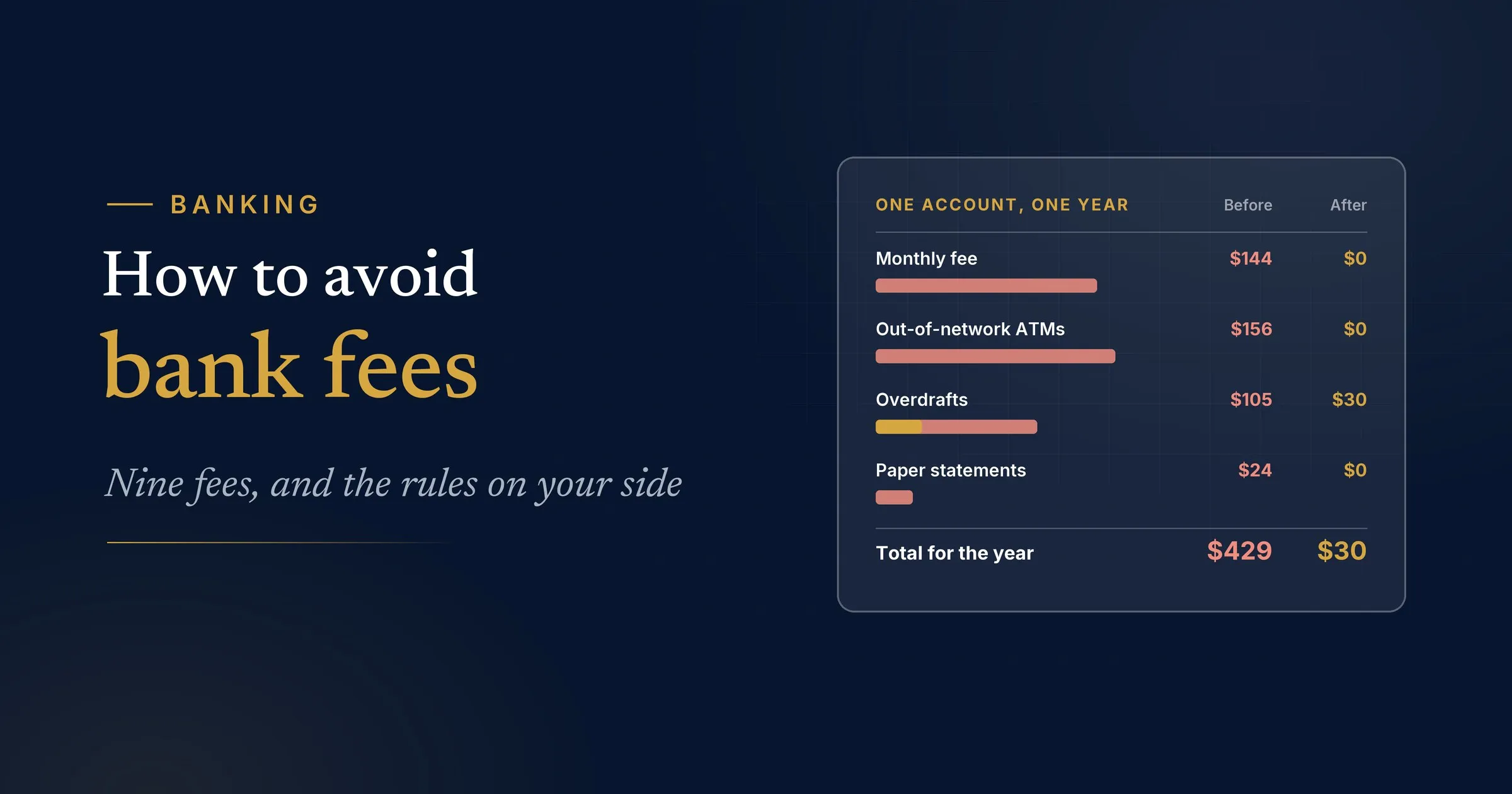
Fees are easier to take seriously as a yearly number. Suppose an account’s fee schedule lists a $12 monthly fee, $3 for using another bank’s ATM and $35 per overdraft, with a $2 charge for paper statements.
| Fee | Before | After |
|---|---|---|
| Monthly maintenance fee | $144 | $0 |
| Out-of-network ATM fees | $156 | $0 |
| Overdraft fees | $105 | $30 |
| Paper statement fee | $24 | $0 |
| Total for the year | $429 | $30 |
Example fee amounts, not averages. Before assumes two out-of-network ATM withdrawals a month, three overdrafts a year and paper statements.
Where the savings come from
- Setting up direct deposit waives the $12 monthly fee.
- Switching to in-network ATMs saves $6.50 in fees on each of two withdrawals a month: $3.50 to the machine’s owner plus $3 to the bank.
- Linking savings for overdraft protection turns three $35 overdraft fees into $10 transfer fees.
- Electronic statements end the $2 monthly charge.
- The year’s fees fall from $429 to $30, a saving of $399.
What is the $3,000 bank rule?
It isn’t a limit on your balance. Under federal anti-money-laundering rules, banks must keep certain records for funds transfers of $3,000 or more,Source 13 and for cash purchases of cashier’s checks, money orders, bank checks and traveler’s checks of $3,000 to $10,000.Source 14 Those records include who sent or bought what and for how much. Nothing in these rules stops you from keeping $3,000 or far more in an account, and your deposits are FDIC-insured to at least $250,000 per depositor, per ownership category, at each insured bank.Source 15
Should you keep more than $3,000 in checking?
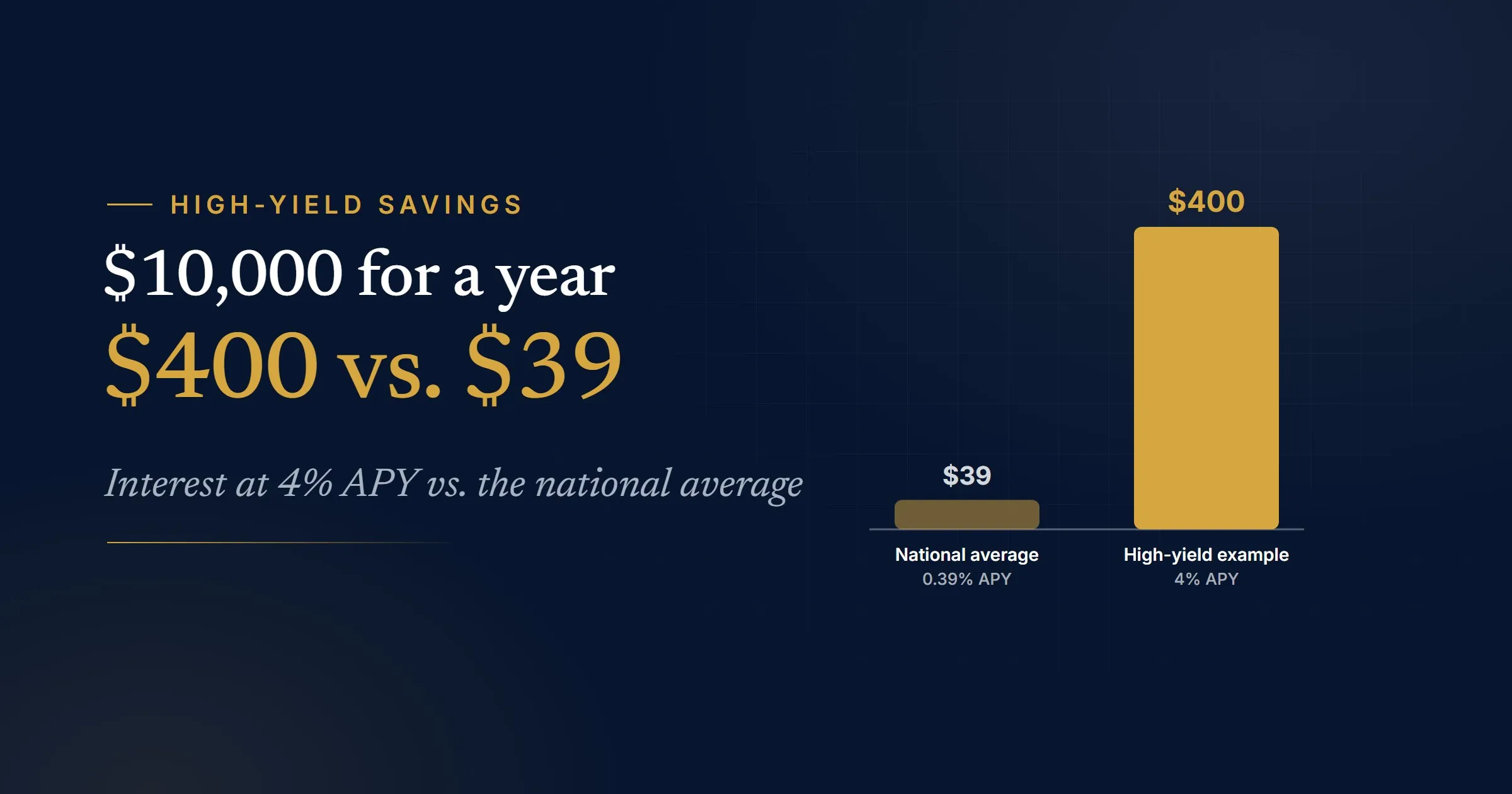
There’s no rule against it, but there’s a cost to idle money. In a year, $3,000 earns $2.10 at the national average rate for interest checking and $11.70 at the average savings rate,Source 16 while an account paying a 4% APY would earn $120.00. Keep enough in checking to cover your bills and a buffer against overdrafts, and move the rest to a better-paying savings account. Our high-yield savings guide explains how to compare rates.
Common questions
What are the most common bank fees?
Monthly maintenance fees, minimum balance fees, overdraft and NSF fees, out-of-network ATM fees, excess withdrawal fees on savings, paper statement fees, wire and other service fees, inactivity fees and foreign transaction fees. Your account’s fee schedule lists the ones that apply to you.Source 3
Why am I getting charged bank fees?
Check your statement, which shows overdraft and returned-item fee totals for the month and the year,Source 6 then compare each charge with your fee schedule. Common causes are falling below a minimum balance, losing a waiver such as direct deposit, using out-of-network ATMs and overdrawing through checks or automatic payments.Source 2
Can bank fees be waived?
Often, by meeting the account’s conditions, such as a minimum balance or direct deposit.Source 2 For a one-time fee charged under your account’s terms, the bank doesn’t have to refund it, but asking costs nothing, especially if it’s your first.
Can I stop overdraft fees completely?
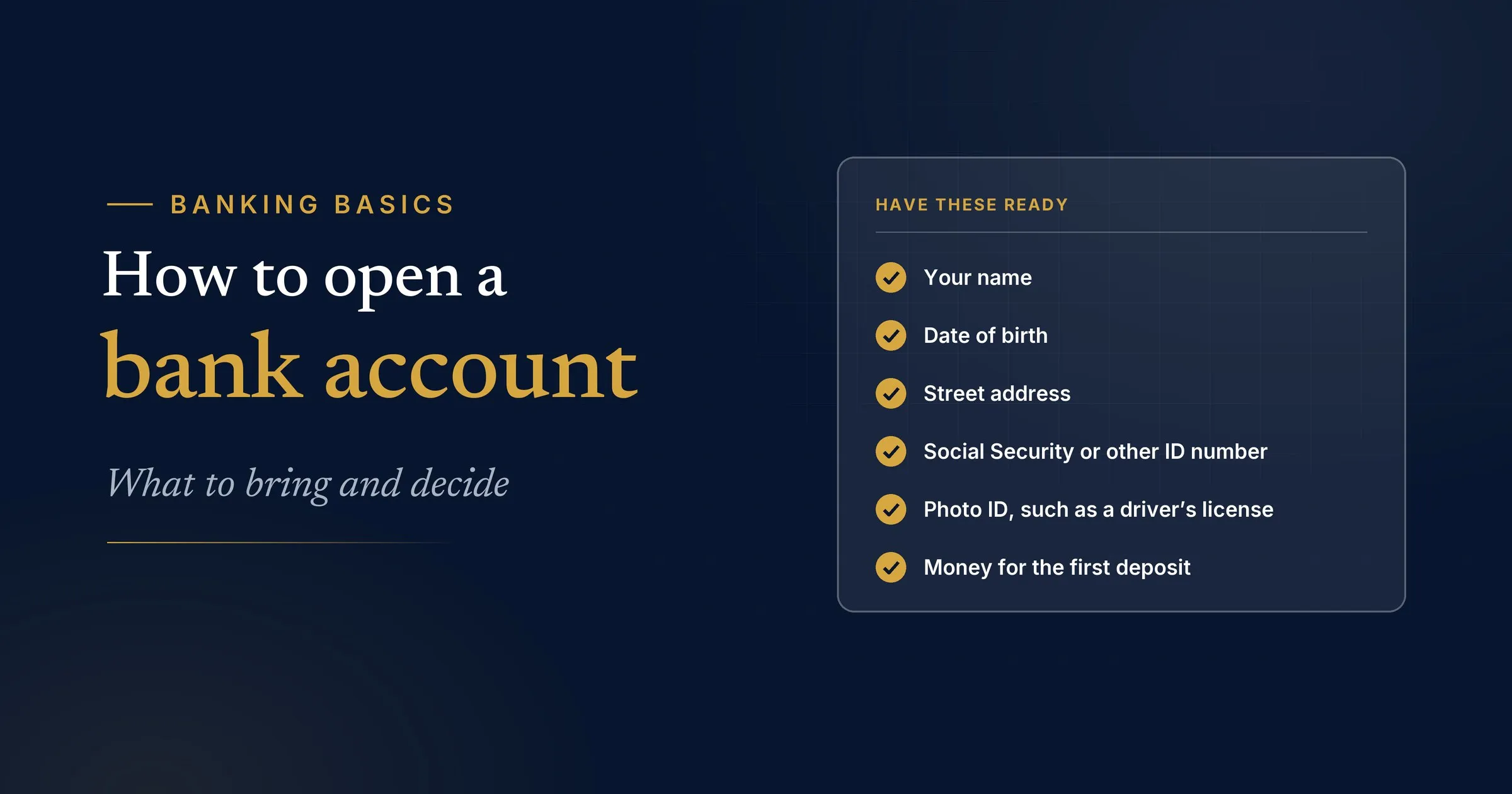
You can avoid most of them. Don’t opt in to overdraft coverage for debit card and ATM transactions,Source 5 link a savings account for checks and automatic payments, and set balance alerts.Source 2 Our guide to opening a bank account covers the overdraft choice you’ll make on day one.
Do credit unions charge fewer fees?
Sometimes, but not always: compare the fee schedules of the specific banks and credit unions you’re considering. Our credit union vs. bank guide compares rates and how membership works.
Sources
Numbers in the text link to these sources. We check them whenever we update this page.
- 1
Consumer Financial Protection Bureau · Published April 24, 2024 · Accessed November 25, 2026 · Back to text for source 1
- 2
Avoiding checking account fees (Your Money, Your Goals toolkit)(external site)
Consumer Financial Protection Bureau · Accessed November 25, 2026 · Back to text for source 2
- 3
12 CFR 1030.4, Account disclosures (Regulation DD, Truth in Savings)(external site)
Electronic Code of Federal Regulations · Accessed November 25, 2026 · Back to text for source 3
- 4
Know your overdraft options(external site)
Consumer Financial Protection Bureau · Updated June 4, 2025 · Accessed November 25, 2026 · Back to text for source 4
- 5
12 CFR 1005.17, Requirements for overdraft services (Regulation E)(external site)
Electronic Code of Federal Regulations · Accessed November 25, 2026 · Back to text for source 5
- 6
Electronic Code of Federal Regulations · Accessed November 25, 2026 · Back to text for source 6
- 7
12 CFR 1005.16, Disclosures at automated teller machines (Regulation E)(external site)
Electronic Code of Federal Regulations · Accessed November 25, 2026 · Back to text for source 7
- 8
Regulation D: Reserve Requirements of Depository Institutions (interim final rule)(external site)
Board of Governors of the Federal Reserve System · Published April 24, 2020 · Accessed November 25, 2026 · Back to text for source 8
- 9
12 CFR 1030.5, Subsequent disclosures (Regulation DD, Truth in Savings)(external site)
Electronic Code of Federal Regulations · Accessed November 25, 2026 · Back to text for source 9
- 10
12 CFR 229.10, Next-day availability (Regulation CC)(external site)
Electronic Code of Federal Regulations · Accessed November 25, 2026 · Back to text for source 10
- 11
Overdraft Lending: Very Large Financial Institutions (final rule, 89 FR 106768)(external site)
Federal Register · Published December 30, 2024 · Accessed November 25, 2026 · Back to text for source 11
- 12
U.S. Government Publishing Office, GovInfo · Published May 9, 2025 · Accessed November 25, 2026 · Back to text for source 12
- 13
31 CFR 1020.410, Records to be made and retained by banks(external site)
Electronic Code of Federal Regulations · Accessed November 25, 2026 · Back to text for source 13
- 14
Electronic Code of Federal Regulations · Accessed November 25, 2026 · Back to text for source 14
- 15
Understanding Deposit Insurance(external site)
Federal Deposit Insurance Corporation · Updated April 1, 2024 · Accessed November 25, 2026 · Back to text for source 15
- 16
National Rates and Rate Caps – November 2026(external site)
Federal Deposit Insurance Corporation · Updated November 16, 2026 · Accessed November 25, 2026 · Back to text for source 16
About the author
Wealthistry Editorial Team
Research, writing and editing
The team that researches, writes, fact-checks and updates Wealthistry's guides and calculators, following our published editorial standards.
Author profileEditorial policyHow we researchReport an error