A high-yield savings account works like any savings account: you deposit money, it earns interest, and you can take it out when you need it. The difference is the rate. In November 2026, the national average savings account rate was 0.39%;Source 1 a high-yield account is one that pays well above that. You can open one at a bank or credit union, online or at a branch.
This guide explains how these accounts work, what $10,000 would earn, whether one is worth it after taxes and inflation, and what to compare before you open one.
How a high-yield savings account works
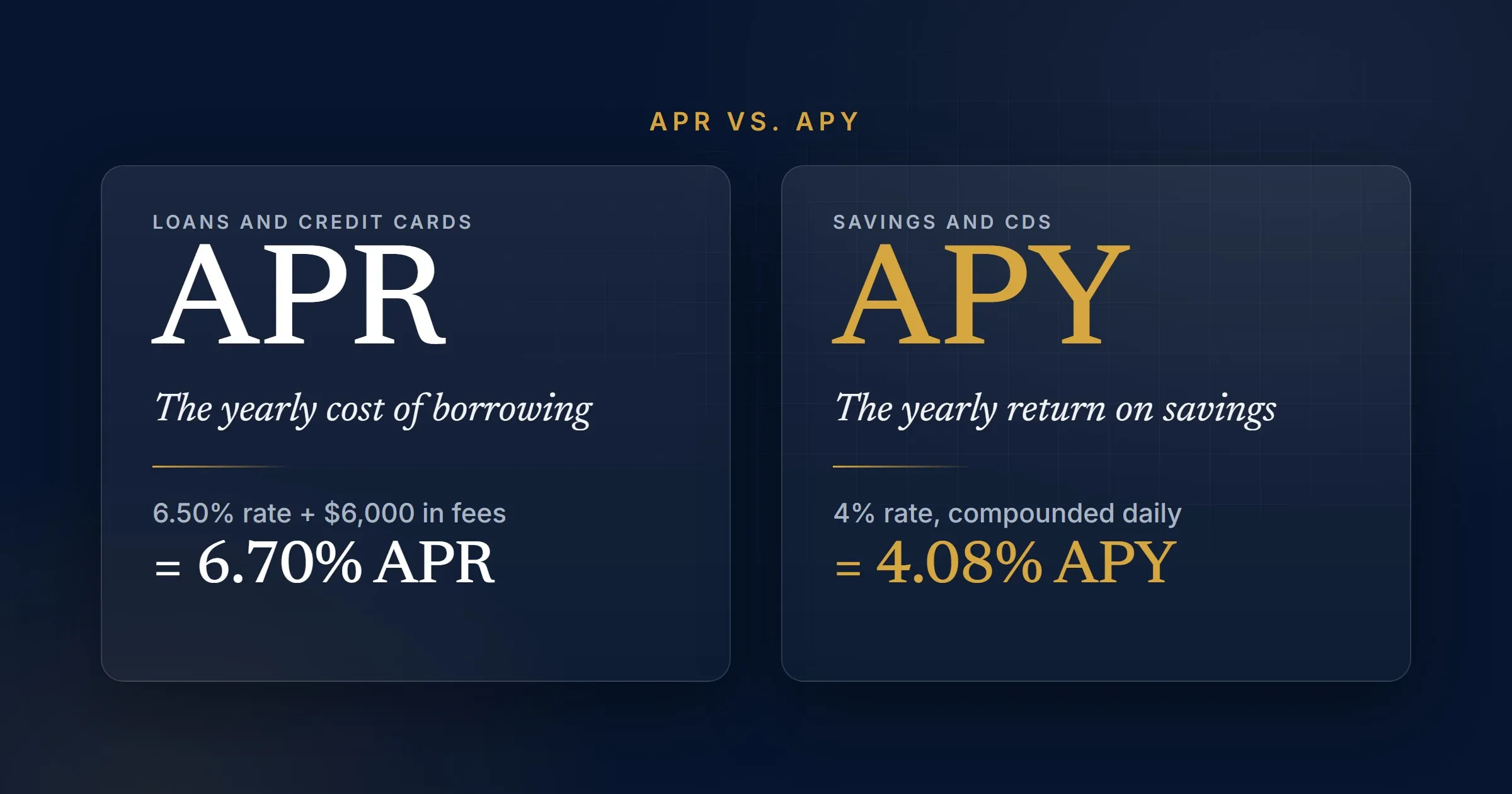
- You earn interest, shown as an APY. Banks must disclose an account’s annual percentage yield (APY), its interest rate, and how often interest is compounded and credited, generally before you open it.Source 2 The APY already includes compounding, so it’s the number to compare. Our APR vs. APY guide explains the difference.
- The rate is usually variable. For a variable-rate account, the disclosures must say that the rate and APY may change, how the rate is set, how often it can change and any limit on the change.Source 2 The bank doesn’t have to warn you before changing a variable rate, though most other changes that hurt you need 30 days’ notice.Source 3
- There may be minimums. The disclosures must list any minimum balance needed to open the account, avoid a fee or earn the advertised APY.Source 2
- You can usually withdraw any time. A federal limit of six convenient withdrawals a month from savings was removed in 2020,Source 4 but a bank can still set its own limit or charge for extra withdrawals.Source 5
What $10,000 earns in a year
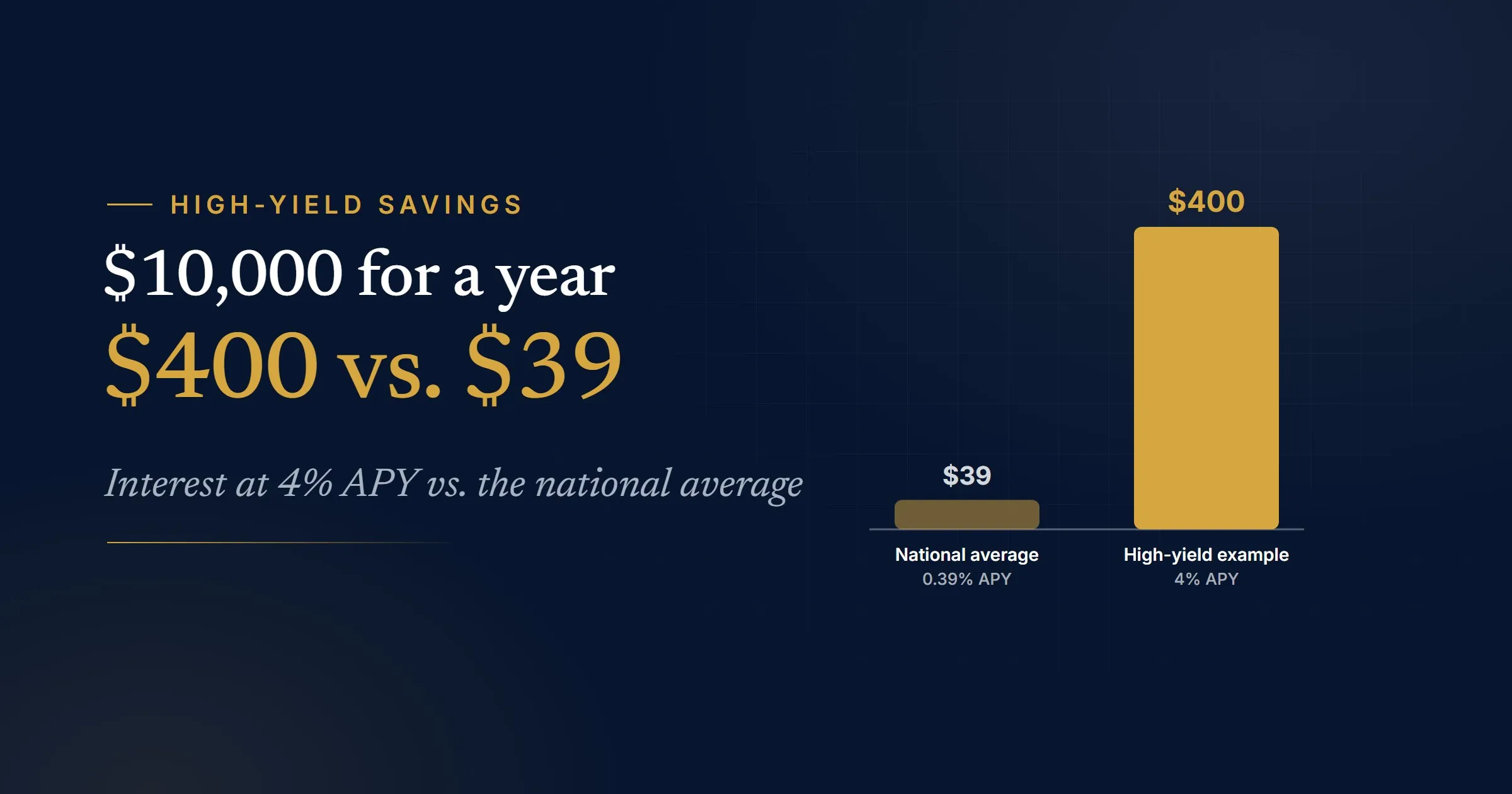
$10,000 for one year
- At an example rate of 4% APY, $10,000 earns $400 in a year, or about $33.33 a month.
- At the national average of 0.39%,Source 1 the same $10,000 earns $39.
- The difference is $361 a year, for keeping the money somewhere else.
Because the rate is variable, that’s not guaranteed. If the 4% rate dropped to 3% after six months, the year’s interest would be about $350 instead. Our Savings Calculator works out any balance and rate.
Is a high-yield savings account worth it?
For money you need to keep safe and reachable, usually yes. Two things shrink what you actually gain:
- Taxes. Interest credited to a savings account is generally taxable in the year it becomes available to you, even if you leave it in the account. You should get a Form 1099-INT if you earned $10 or more.Source 6 If your interest is taxed at 22%, the $400 in the example becomes $312.
- Inflation. Prices rose 3.7% in the 12 months to September 2026.Source 7 At that pace, a 4% APY leaves a real return of about 0.3%, while the 0.39% average loses about 3.2% a year in buying power. Our inflation guide explains why.
That makes a high-yield account a good home for money you may need soon and can’t afford to lose:
- An emergency fund, which should be safe, easy to reach and somewhere you won’t be tempted to spend it.Source 8 See our emergency fund guide.
- Sinking funds for planned costs, such as car insurance or the holidays.
- Short-term goals, like a move or a down payment in the next few years.
For goals many years away, like retirement, the low real return is a reason to consider investing instead.
What’s better than a high-yield savings account?
It depends on when you’ll need the money. Here’s how the main options compare:
| Option | Rate | Good to know |
|---|---|---|
| Regular savings account | 0.39% national average | Easy to reach, but usually earns far less |
| Money market deposit account | 0.64% national average | A deposit account, insured like savings |
| 12-month CD | 1.81% national average | Your money stays put until the CD matures, and taking it out early may cost a penalty |
| I bonds | 5.51% for bonds issued Nov. 2026 to Apr. 2027 | Rate resets every six months with inflation; keep at least 12 months; up to $10,000 a year |
National averages as of November 16, 2026. I bonds cashed in before five years lose the last three months of interest.
The national averages come from the FDIC,Source 1 which also insures money market deposit accounts and CDs,Source 9 and the I bond details come from the Treasury.Source 10 CDs must disclose whether a penalty will or may apply if you withdraw early, and how it’s figured.Source 2 Our checking vs. savings guide covers money market accounts and CDs in more detail.
How to choose a high-yield savings account
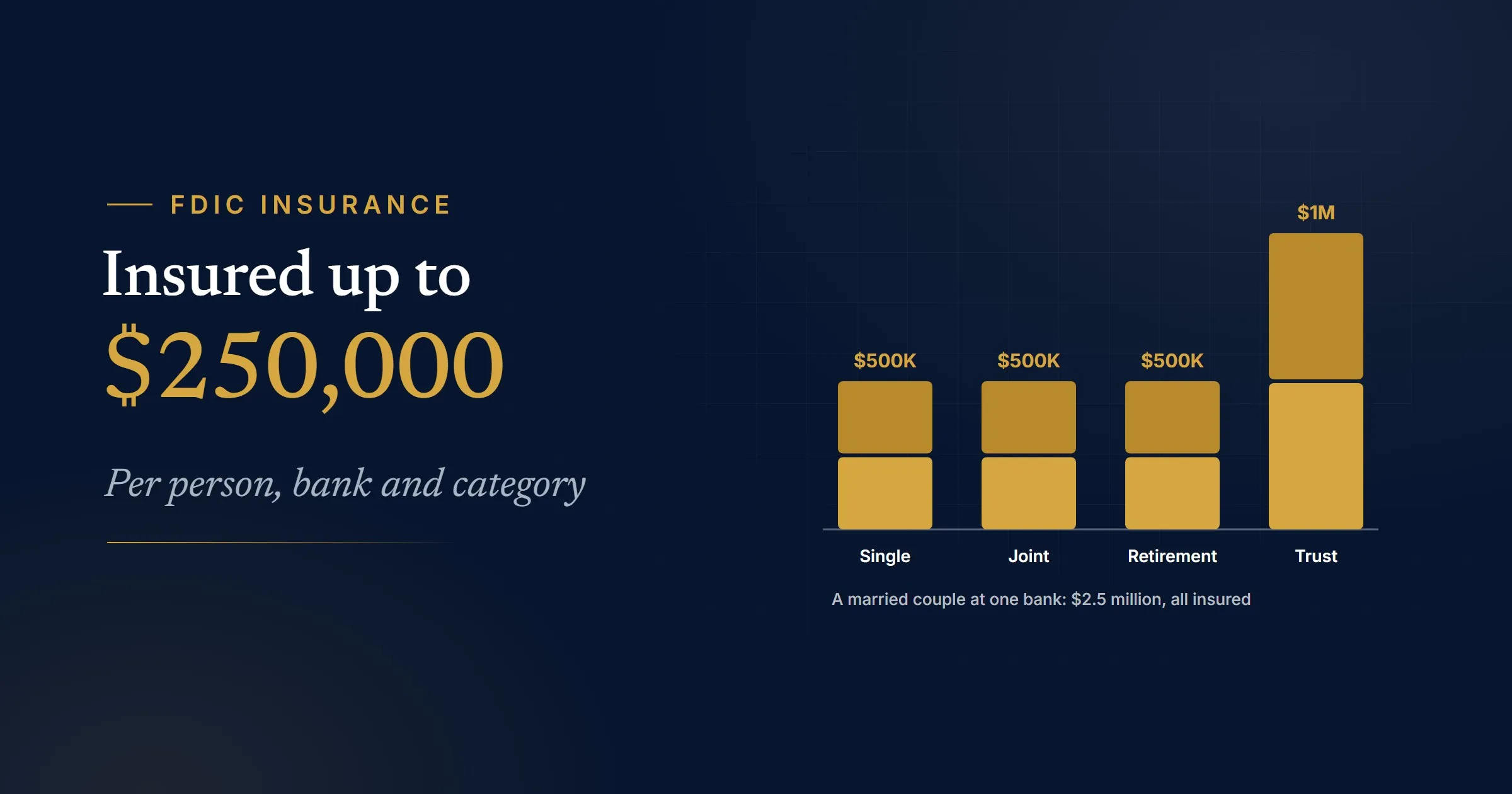
- Check the insurance. Make sure the bank is FDIC-insured or the credit union is federally insured. Deposits at an FDIC-insured bank are insured up to at least $250,000 per depositor, per ownership category.Source 9 Our FDIC insurance guide explains the limits.
- If it’s through an app, find the bank. Nonbank companies are never FDIC-insured themselves, and your money isn’t eligible for coverage until it’s deposited at an insured bank and other conditions are met.Source 11
- Compare the APY, and read how the variable rate is set.Source 2
- Look for minimums and fees that could cut into what you earn.Source 2
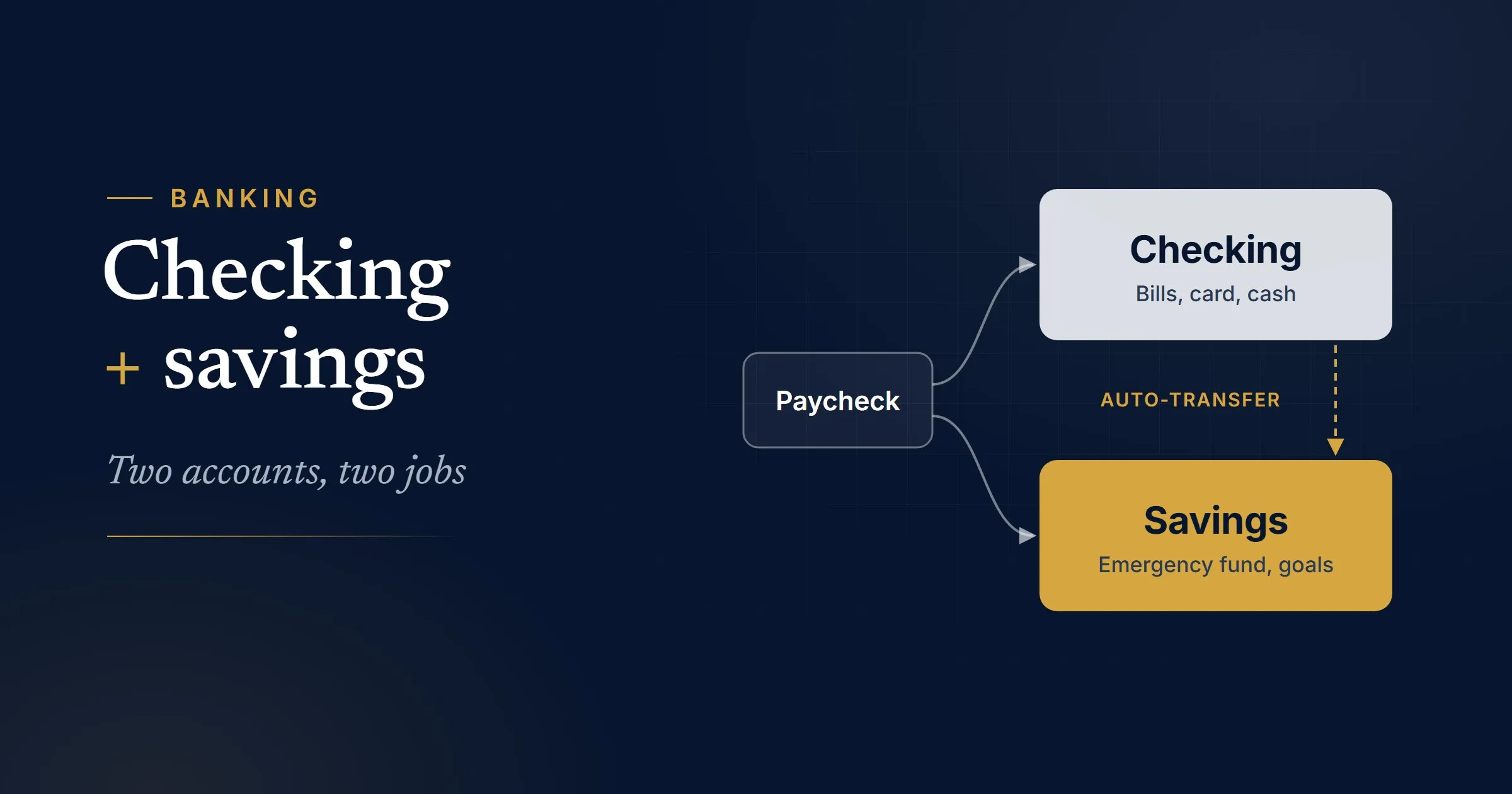
- Check access: how you move money to and from checking, how long transfers take and any limit on withdrawals.
Common questions
Is a high-yield savings account safe?
Yes, if it’s at an FDIC-insured bank or a federally insured credit union and you stay within the insurance limits. Deposits at FDIC-insured banks are insured up to at least $250,000 per depositor, per ownership category.Source 9
Can you lose money in a high-yield savings account?
Your balance doesn’t move with the stock market. Fees can reduce it, though, and when the rate is lower than inflation, the money loses buying power over time.
How often do high-yield savings rates change?
They can change at any time on a variable-rate account, and the bank doesn’t have to give you notice first.Source 3
Is the interest taxable?
Generally, yes, in the year it’s credited to you, and you should get a Form 1099-INT if you earned $10 or more.Source 6
Is a high-yield savings account better than a CD?
It’s more flexible: you can take money out any time, but the rate can drop. A CD keeps your money until it matures, and leaving early may cost a penalty. Compare the rates for how long you’ll keep the money.
Run your own numbers
Project savings growth using an account's APY.
Open the calculator
Sources
Numbers in the text link to these sources. We check them whenever we update this page.
- 1
National Rates and Rate Caps – November 2026(external site)
Federal Deposit Insurance Corporation · Updated November 16, 2026 · Accessed November 18, 2026 · Back to text for source 1
- 2
12 CFR 1030.4, Account disclosures (Regulation DD, Truth in Savings)(external site)
Electronic Code of Federal Regulations · Accessed November 19, 2026 · Back to text for source 2
- 3
12 CFR 1030.5, Subsequent disclosures (Regulation DD, Truth in Savings)(external site)
Electronic Code of Federal Regulations · Accessed November 19, 2026 · Back to text for source 3
- 4
Board of Governors of the Federal Reserve System · Published April 24, 2020 · Accessed November 18, 2026 · Back to text for source 4
- 5
Regulation D: Reserve Requirements of Depository Institutions (interim final rule)(external site)
Board of Governors of the Federal Reserve System · Published April 24, 2020 · Accessed November 18, 2026 · Back to text for source 5
- 6
Topic no. 403, Interest received(external site)
Internal Revenue Service · Last reviewed October 7, 2026 · Accessed November 16, 2026 · Back to text for source 6
- 7
Consumer Price Index for All Urban Consumers (CPI-U), U.S. city average, all items(external site)
U.S. Bureau of Labor Statistics · Accessed November 19, 2026 · Back to text for source 7
- 8
An essential guide to building an emergency fund(external site)
Consumer Financial Protection Bureau · Updated October 29, 2025 · Accessed November 18, 2026 · Back to text for source 8
- 9
Understanding Deposit Insurance(external site)
Federal Deposit Insurance Corporation · Updated April 1, 2024 · Accessed November 18, 2026 · Back to text for source 9
- 10
U.S. Department of the Treasury, TreasuryDirect · Accessed November 19, 2026 · Back to text for source 10
- 11
Banking With Third-Party Apps(external site)
Federal Deposit Insurance Corporation · Updated May 31, 2024 · Accessed November 19, 2026 · Back to text for source 11
About the author
Wealthistry Editorial Team
Research, writing and editing
The team that researches, writes, fact-checks and updates Wealthistry's guides and calculators, following our published editorial standards.
Author profileEditorial policyHow we researchReport an error